Angel Wing Mug Embroidery Design Review for Business Use
As an experienced embroidery designer, I recently reviewed the Angel Wing Mug machine embroidery design to determine its suitability for branded merchandise and commercial use. This design presents a unique opportunity for small businesses in the food, beverage, or lifestyle industries looking to create memorable custom apparel and accessories. In this review, I’ll break down how it aligns with brand identity, performs in real-world applications, and where it may require careful handling.
First Impressions: A Heavenly Blend of Playful and Premium
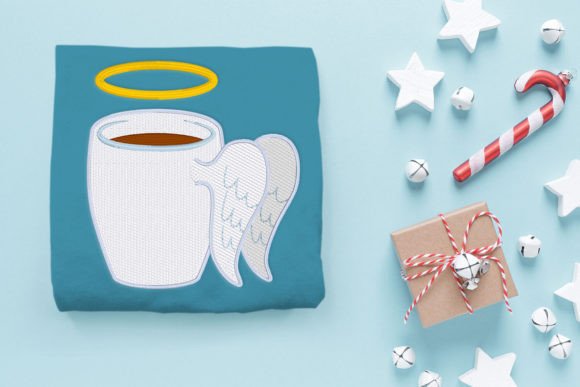
The Angel Wing Mug immediately stands out as a charming yet professional design. Its title and description suggest a warm, inviting aesthetic that’s perfect for brands connected to comfort, like cafés, tea shops, or handmade product creators. The imagery of a mug with angel wings and a halo evokes a sense of carefree joy and a touch of elegance. While it leans into a whimsical theme, it maintains enough sophistication to be appropriate for both casual wear and premium branding elements.
This design is not overly complex, which makes it versatile for different applications. It feels more like a symbolic emblem than a purely decorative element—ideal for creating visual consistency across various branded items without appearing too busy or childish.
Embroidered Patches and Branded Merchandise
The Angel Wing Mug works exceptionally well as an embroidered patch. Its balanced composition allows it to be scaled appropriately for both large back patches and smaller lapel or pin-back designs. When used on tote bags or aprons, the design adds a subtle but meaningful touch that can elevate your boutique merch or café gifts. For Etsy sellers and handmade brands, it could serve as a signature motif for custom coffee mugs or gift packaging accents.
Staff Uniforms and Workwear
When considering staff uniforms, such as aprons or work shirts, the Angel Wing Mug functions better as a secondary detail rather than a primary logo. Placed on the sleeve or lower chest area, it enhances the uniform's personality without overpowering it. However, if you're thinking of using it on the front of a cap or on a high-visibility part of the garment, be cautious—it might appear too small or lose clarity when stitched densely on compact surfaces.
Tote Bags and Aprons
On tote bags, especially those used for takeaway items or branded retail, the Angel Wing Mug adds a friendly and recognizable element. It’s ideal for customers who want to feel connected to the brand through everyday carry items. On aprons, the design can reinforce a cozy, artisanal vibe, making it suitable for bakeries, specialty tea stores, or creative studios.
Commercial Embroidery and Product Packaging Accents
For commercial embroidery projects, the Angel Wing Mug offers a strong visual anchor. It can be paired with other design assets like slogans or logos to build a cohesive brand look. As a packaging accent, it subtly communicates the warmth and quality associated with your products, especially if you’re in the tea or coffee industry.
Where to Use Angel Wing Mug with Caution
- Small Patch Sizes: Due to its moderate level of detail, scaling the design down to very small sizes (e.g., under 2 inches) may result in loss of definition. Always test at actual size before mass production.
- Cap Fronts: If you plan to embroider this design on a baseball cap front, consider simplifying or reducing it to maintain clarity and avoid overwhelming the viewer.
- Curved Surfaces: The curved nature of some parts (like the handle or wings) may cause distortion when applied to non-flat areas such as sleeves or curved hat panels. Proper stabilizer and hoop placement are essential.
- Tiny Lettering: If the design includes text (not specified in the given description), ensure the font is large enough to remain legible after stitching.
- High Stitch Density: Depending on the file, certain areas may have dense stitching. This can affect fabric texture and durability, especially on delicate materials. Test stitch density on real fabric before committing to large runs.
- Textured Fabric: The design may struggle to show fine details on fabrics like canvas or denim due to their natural texture. Smooth cotton blends or felt will give the best results.
- Dark Uniforms: Thread color contrast is crucial. Using light thread colors on dark backgrounds can make the design pop, but it also requires extra attention during setup and testing.
- Frequent Washing: Designs with intricate outlines or heavy coverage should be tested for long-term durability. Frequent washing may cause fraying or flattening over time.
Impact on Brand Identity and Customer Engagement
Integrating the Angel Wing Mug into your design assets can significantly enhance brand identity. It conveys a sense of comfort and community, which is especially valuable for small businesses aiming to connect emotionally with their audience. Whether it’s used on a tote bag design or as a chest logo accent, it brings a consistent visual language to your merchandise that reinforces professionalism and creativity.
From a customer engagement perspective, this design has the potential to increase recognition and buyer loyalty. People love coffee and tea-themed visuals, and the angelic twist gives it a unique edge. It can be used to decorate customer gifts, event merch, or even as a printable mockup for online sales. When combined with other branding elements, it helps establish a cohesive and memorable presence in the market.
Design Notes for Embroidery Shops and Merch Creators
Before finalizing the Angel Wing Mug for production, here are several practical steps to ensure optimal results:
- Test in Black and White First: Check how the design translates without color. This ensures visibility and impact on all possible fabric and thread combinations.
- Check Small Patch Size Performance: If intended for patch use, verify how it looks when reduced. Details like halos or wing textures must remain visible and intact.
- Review Thread Color Contrast: Choose thread colors that complement your brand palette while ensuring sufficient contrast against the base fabric.
- Inspect Spacing and Coverage: Ensure there’s enough space between elements to prevent overcrowding and allow for easy customization, such as adding names or dates.
- Confirm Hoop Size Requirements: Since hoop size isn’t provided, always check the digital embroidery file to know what you need for proper tension and stitch integrity.
- Test on Real Fabric: Don’t rely solely on previews. Stitch it on the actual fabric you'll be using to see how it holds up and looks post-embroidery.
- Use Proper Stabilizer: Especially for delicate or stretchy materials, a good stabilizer is key to maintaining shape and preventing puckering.
- Create a Mockup for Client Approval: Present a sample of the finished product to your client, whether it’s a cap embroidery or apron design. Visual confirmation builds trust and reduces revisions.
- Compare Beside Other Design Assets: See how it fits within your overall branding scheme. Does it match the tone and style of your existing handmade product labels or promotional materials?
- Confirm Commercial Licensing: Before using the digital embroidery file for any small business merch, ensure the licensing terms allow for commercial use and multiple applications across products.
Final Thoughts: A Versatile Design with Heartfelt Appeal
The Angel Wing Mug is a thoughtful and visually appealing machine embroidery design that resonates with the cozy, comforting spirit of many small businesses. From custom apparel to branded patches, it offers a blend of charm and professionalism that can enhance your product lineup and strengthen your brand identity.
However, as with any design, success lies in the details. Carefully assess its performance in different formats and contexts. Whether you're creating sleeve details for your team uniforms or a standout mark for your next tote bag collection, this design can be a powerful asset—if handled with the right approach.
For embroidery shops and product designers, the Angel Wing Mug provides an excellent opportunity to offer something unique to clients in the lifestyle, tea, and hospitality sectors. Just remember to evaluate stitch density, fabric type, and placement carefully to ensure the final product meets your standards and delivers value to your customers.