Cheers Embroidery Design Review: A Toast to Elegance and Versatility
As an experienced embroidery designer who's worked with countless patterns for both personal and commercial projects, I always approach a new design like Cheers with a mix of curiosity and practicality. This isn't just about how it looks on the screen; it's about how it translates into real-world stitching, especially when it comes to adding personality and value to handmade products or branded merchandise. So, let’s take a closer look at this wine-themed machine embroidery design and see where it shines—and where you might want to tread carefully.
First Impressions: Sophisticated Celebration in Stitch Form
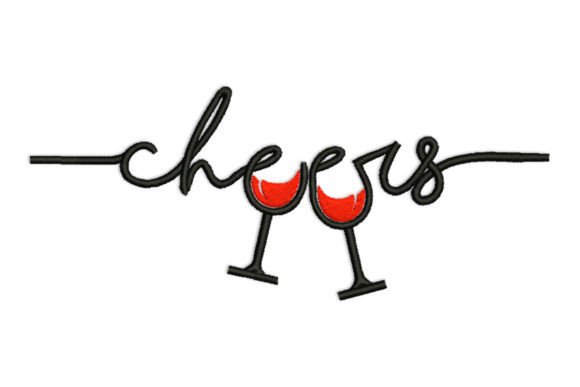
The moment I opened the Cheers Wine Embroidery Design, I was drawn to its elegant composition. The clinking glasses motif is rendered with a level of detail that suggests celebration without being overly festive. It’s not garish or glittery—it has a refined charm that makes it suitable for a range of applications from casual apparel to high-end gifts.
Visually, the layout feels balanced and intentional. The use of negative space around the glass shapes allows the design to breathe, making it adaptable to different fabric types and placement options. The overall mood it conveys is one of joy and class, which could work well for holiday items, wedding gifts, or even boutique branding centered around lifestyle and leisure.
Visual Personality and Theme Fit
This design clearly belongs in any project where you want to suggest a toast—literally or figuratively. Whether you're embroidering a custom sweatshirt for a bachelorette party or creating personalized baby clothes with a touch of grown-up flair, Cheers brings a subtle sophistication. It's also versatile enough to be used as an applique design if you're layering elements on a tote bag or pillow cover.
Real-Life Application Scenarios
Let’s imagine using Cheers in a few common scenarios:
- Tote Bag Design: On a linen or cotton canvas tote, this design adds a celebratory edge. It works especially well in the bottom corner near the handle area, where it can serve as a decorative accent without overwhelming the bag.
- Sweatshirt Embroidery: Placed on the chest or sleeve, it becomes a meaningful personalization element. Think college reunions, wine-tasting events, or simply a stylish addition to a cozy hoodie.
- Baby Embroidery: For a more mature audience, but still safe for children's items (like a baby onesie), it could symbolize family togetherness or milestone celebrations. Just make sure thread colors are muted and soft.
- Holiday Embroidery: The design’s thematic versatility makes it a great fit for Christmas aprons or New Year’s patches. It’s understated enough to avoid looking out of place during other holidays too.
- Commercial Embroidery: As part of a small shop product line or Etsy listing, Cheers can elevate the perceived value of your finished product while maintaining a cohesive brand aesthetic. Its clean lines and classic theme make it ideal for repeatable design assets.
Customer Reaction and Giftability
One thing I’ve learned over the years is that customers respond strongly to designs that feel thoughtful and well-executed. Cheers ticks that box. When stitched neatly, it evokes a sense of craftsmanship and attention to detail. That kind of visual appeal doesn’t just sell—it builds trust. Buyers will likely perceive it as a premium design, which can justify higher pricing for your handmade product or digital embroidery file offerings.
In terms of giftability, this design is a winner. It fits seamlessly into holiday embroidery, personalized gifts, or even nursery decor if you’re going for a whimsical yet classy vibe. People love giving gifts that tell a story, and Cheers does exactly that—with style.
Where to Use It Carefully
While Cheers is a strong contender for many projects, there are situations where it may need some extra consideration before stitching:
- Small Hoop Sizes: If you're working within tight hoop constraints, the intricate details of the clinking glasses may get lost. Always check whether the design fits comfortably in your intended hoop size.
- Textured Fabrics: On materials like flannel or denim, the fine lines might not stitch as crisply. Consider adjusting stitch density or using a finer needle.
- Thin or Stretchy Fabric: Delicate materials can distort under dense stitching. You’ll need to reinforce with stabilizer and possibly reduce stitch density to prevent puckering.
- Dark Fabric Backgrounds: The design relies on contrast for visibility. Test it on darker fabrics first—especially if using lighter thread colors. A black and white mockup can help determine if the design remains legible.
- Curved Surfaces: Caps or hats with curved surfaces might cause the design to stretch or skew slightly. Be prepared to tweak placement or test it on a sample cap before mass production.
- Frequent Washing: For items like tea towels or aprons, ensure the design uses durable threads and proper backing techniques to maintain clarity over time.
Design Notes for Embroidery Success
Before committing to a real project, here are a few things I recommend doing as a professional designer:
- Test on Scrap Fabric: Always do a trial run. This helps catch issues with thread tension, color blending, or fabric distortion early.
- Check Thread Color Contrast: Especially important if you're using a single thread color for the entire design. Darker backgrounds may require brighter or metallic threads for visibility.
- Review Stitch Density: Dense areas can cause puckering. Adjust settings based on your fabric type and machine capabilities.
- Confirm Hoop Size: If the design requires a larger hoop than you typically use, make sure your equipment is up to the task.
- Inspect Small Details: Look closely at the glass outlines and any inner shading. These can be tricky on certain machines or stitches.
- Use Proper Stabilizer: Especially on stretchy or thin materials. A good stabilizer ensures the final product looks sharp and professional.
- Check Licensing Before Selling: If you plan to use this design in commercial embroidery or digital product previews, confirm the licensing terms. Some files are strictly for personal use unless otherwise stated.
Design Impact on Product Value and Branding
When it comes to handmade product presentation, the right design can make all the difference. Cheers elevates the finish of anything it’s embroidered onto. It contributes to a sense of occasion, making the item feel special and thoughtfully made. For Etsy sellers or craft fair vendors, this can increase buyer engagement and perceived professionalism.
If you're building a brand around lifestyle themes—wine, relaxation, celebration—this design can serve as a consistent visual anchor across your product line. It helps with recognition and reinforces your brand identity. Just ensure the thread colors and placement align with your overall style guide.
Professionalism Meets Personalization
What I appreciate most about Cheers is how it balances formality with fun. It’s not too “party,” nor is it too subdued. This makes it a great candidate for both personal and commercial embroidery projects. Whether you're adding it to a custom embroidered patch for a client’s event or including it in a printable mockup for digital buyers, it maintains a level of polish that speaks to quality.
Final Thoughts for Crafters and Entrepreneurs
Embroidery is more than just placing a design—it's about ensuring it performs well in the hands of your customers. Cheers offers a solid foundation for that performance, but like any good design, it needs to be matched with the right technique and materials. It’s particularly effective on mid-weight to heavy fabrics and in applications where elegance and subtlety are key.
I’d say it's a strong addition to your design assets if you're aiming to create holiday gifts, nursery decor, or small shop merchandise. But remember to always test it in your specific context. No matter how beautiful a machine embroidery design appears on screen, the true test is how it looks after stitching—and how it makes your customer feel when they hold the finished product in their hands.