Cock Easter in Tambourine Stitch
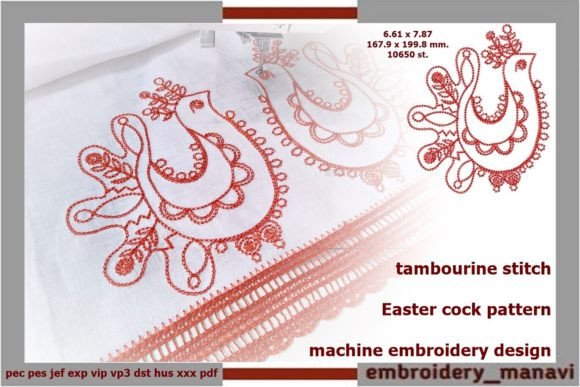
As an experienced embroidery designer, I spend my days evaluating digital assets not just for their aesthetic appeal, but for their commercial viability. When a new machine embroidery design lands on my desk, my first question is always: will this work on a product? Will it hold up to washing? Does it translate well from a screen to a stitched embroidered patch or a branded uniform? Today, I am reviewing the "Cock Easter in Tambourine Stitch" pattern. Based on its description as a folk-style chain embroidery design suitable for home decor, towels, and napkins, I have analyzed its potential for small business merchandise, custom apparel, and branded goods.
First Impressions: Visual Personality and Brand Fit
The title "Cock Easter in Tambourine Stitch" immediately suggests a specific visual language. The mention of "folk style" and "chain embroidery" indicates a rustic, handmade aesthetic that feels warm and approachable. This is not a sleek, minimalist corporate logo; it is decorative, playful, and rooted in tradition. For a small business owner, this distinction is critical. This design fits perfectly with brands that want to convey authenticity, craftsmanship, and a touch of whimsy.
The "tambourine stitch" implies a textured, linear quality that mimics hand-stitching. In the world of brand identity, texture translates to perceived value. Customers often associate intricate, textured stitching with higher quality and care. However, we must be realistic about what this means for reproduction. A folk-style rooster (cock) design likely features bold outlines and distinct color blocking, which are excellent for legibility but require careful planning regarding stitch density and thread contrast.
Commercial Applications: Where This Design Shines
For small business merch creators, Etsy sellers, and boutique owners, versatility is key. Here is how "Cock Easter in Tambourine Stitch" can function across various product categories:
- Embroidered Patches: This design has strong potential as a standalone embroidered patch. The folk-art style lends itself well to circular or shield-shaped patches that can be sewn onto denim jackets, canvas totes, or leather bags. It serves as a great conversation starter and adds a unique character to generic garments.
- Apron Embroidery: For bakeries, florists, or craft studios, this design is ideal for chest logos on aprons. The cheerful subject matter aligns with food and flower businesses, creating a welcoming atmosphere for customers. Ensure the placement is centered and scaled appropriately so the details do not get lost.
- Cap Embroidery: If the design is compact enough, it can work on the front or side of caps. However, cap curvature presents challenges. You must ensure the design is digitized to account for the curve, preventing distortion. A smaller version of the rooster motif would work best here.
- Tote Bag Design: Canvas tote bags are a staple for handmade brands. This design offers a premium look when embroidered directly onto the fabric. The contrast between the rough canvas texture and the smooth thread colors of the chain stitch creates a sophisticated yet rustic finish.
- Product Packaging Accents: Beyond apparel, consider using this design on hang tags, labels, or even as a watermark on printed packaging materials. It reinforces your brand identity and signals attention to detail before the customer even opens the product.
Strategic Considerations and Potential Pitfalls
While the aesthetic is appealing, practical execution requires caution. Not every design works in every context. As a professional reviewer, I urge you to consider the following limitations:
- Small Patch Sizes: If you plan to reduce this design for use on small items like sock cuffs or tiny label tags, you may lose critical details. Chain stitches can become muddy if the space is too tight. Always test at 100% scale first.
- High Stitch Density: Folk designs often rely on dense fills or heavy outlines. On delicate fabrics, this can cause puckering. Conversely, on thick fabrics like denim, it might look too bulky. Review the stitch density in your digitizing software to ensure balance.
- Fabric Texture Compatibility: The design assumes a relatively smooth surface for optimal definition. Highly textured fabrics, such as heavy tweed or loose-weave burlap, may obscure the fine lines of the tambourine stitch. Test on your actual production fabric whenever possible.
- Dark Uniforms and Contrast: If applying this to dark uniforms, you will need a substantial underlay and light-colored threads to make the design pop. Poor contrast can render the intricate chain work invisible, damaging the professionalism of the finished product.
Impact on Brand Identity and Customer Trust
In the crowded marketplace of small business merch, visual consistency builds trust. Using a cohesive set of design assets helps customers recognize your brand instantly. "Cock Easter in Tambourine Stitch" brings a sense of heritage and handcrafted care to your products. When a customer sees this level of detail, they perceive greater value in the item, which can justify a higher price point.
Furthermore, this design supports a narrative of sustainability and slow fashion. By offering items that feel unique and artisanal rather than mass-produced, you engage buyers on an emotional level. It transforms a simple tote bag or apron into a keepsake. This emotional connection drives repeat purchases and word-of-mouth referrals, which are vital for growth.
Practical Designer Notes for Production
Before committing to large-scale production, follow these essential steps to ensure quality control:
- Black and White Test: Convert the design to black and white in your editing software. This helps you evaluate the shape and silhouette without the distraction of color. If the design lacks impact in monochrome, it may lack structural integrity.
- Hoop Size Confirmation: Verify the required hoop size matches your available equipment. Large designs may require multiple hooping attempts, increasing the risk of misalignment.
- Stabilizer Selection: Choose the correct stabilizer for your fabric type. Cut-away stabilizers are generally recommended for woven garments to prevent shifting during wear and wash cycles.
- Thread Color Contrast: Inspect the thread colors against your target fabric. High contrast is usually safer for detailed designs. Low contrast can lead to a muddy appearance.
- Mockup Creation: Create a printable mockup or a physical sample to show clients or stakeholders. Visual approval prevents costly mistakes later in the process.
- Commercial Licensing: Most importantly, confirm that you have the right to use this digital embroidery file for commercial purposes. Many designers sell personal-use licenses only. Using a design commercially without permission can lead to legal issues.
Final Verdict
"Cock Easter in Tambourine Stitch" is a charming, versatile asset for any business aiming for a rustic, handmade aesthetic. Its folk-style charm makes it particularly effective for boutiques, cafes, and craft brands looking to add personality to their custom apparel and accessories. However, success depends on proper digitization review, appropriate fabric selection, and strict adherence to licensing terms. By treating this design with the same respect you would a custom commission, you can create high-quality, profitable merchandise that resonates with your audience.