Wreath of Leaves Embroidery Design Review
As an experienced embroidery designer, I’ve had the opportunity to work with countless motifs and patterns. When it comes to small business merch, the design needs to be more than just aesthetically pleasing—it must reflect professionalism, align with brand identity, and perform well across various items like patches, uniforms, and tote bags. The Wreath of Leaves embroidery file caught my attention for its versatility and timeless appeal. Let’s dive into what makes this a strong candidate for branded use in today’s market.
First Impressions: Timeless and Versatile
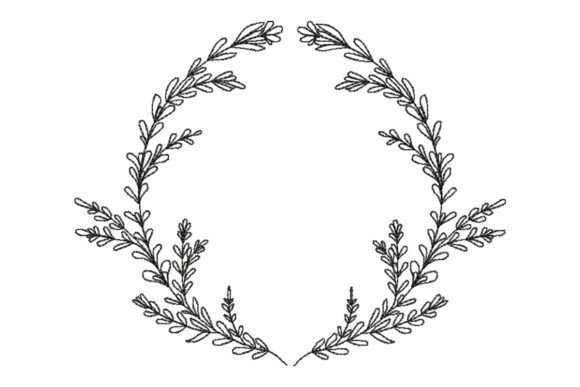
The name Wreath of Leaves immediately evokes a sense of nature, simplicity, and elegance. From the description alone, it’s clear that this is a floral wreath made entirely from leaves—no flowers, no berries, just pure botanical form. It feels handmade, which can be incredibly valuable for small businesses aiming to showcase their artisanal roots. The design exudes a rustic yet premium vibe, making it suitable for both cozy cafés and upscale boutiques. Its lack of bold color or aggressive shapes suggests a subtle, classic charm rather than a flashy statement.
Real-World Business Applications
Wreath of Leaves has broad potential when applied as a machine embroidery design. Here are some practical ways it could enhance your custom apparel and branding efforts:
- Embroidered Patch Use: This design works exceptionally well as a patch, especially on denim jackets, tote bags, or aprons. Its organic shape allows it to stand out without being overwhelming.
- Chest Logo Accent: On staff uniforms or customer gifts, the wreath can serve as a soft, decorative accent that adds character without distracting from the main logo.
- Sleeve Detail: For boutique merchandise or creative studio wearables, using the wreath along the sleeve adds a touch of refinement and visual interest.
- Cap Embroidery: A smaller version of the design can look great on cap fronts, especially if paired with a minimalist thread palette for a clean, modern feel.
- Tote Bag Marking: As a front-facing mark or corner embellishment, the wreath enhances the eco-friendly aesthetic of reusable tote bags while subtly reinforcing brand presence.
- Apron Embroidery: Perfect for bakeries, florists, or pet brands, this motif adds warmth and a natural flair to aprons worn by employees or given as promotional items.
- Product Packaging Accents: Whether stitched onto burlap gift tags or woven into fabric pouches, the wreath elevates product packaging and conveys a handmade, thoughtful experience.
- Commercial Embroidery Projects: The design is adaptable enough to suit multiple lines of product within a brand’s collection, offering consistent visual identity across different applications.
Where to Use with Caution
While Wreath of Leaves is a beautiful design, there are a few considerations for optimal results:
- Small Patch Sizes: The intricate leaf structure may lose definition when shrunk too much. Always check how it looks at minimum recommended sizes before mass production.
- Cap Fronts: Due to stitch density and curvature challenges, you might want to simplify the design or adjust the layout to avoid distortion.
- Curved Surfaces: Patches or embroidered details placed on curved areas like sleeves or round caps need careful seam placement and stabilizing techniques.
- Tiny Lettering: If you plan to add text inside or near the wreath, ensure font size and spacing are legible after embroidery scaling.
- High Stitch Density: The design appears to have dense stitching, which may cause puckering on stretchy or delicate fabrics. Consider using a tear-away or cut-away stabilizer depending on material.
- Textured Fabric: While the design is elegant, it may not show up as clearly on heavily textured materials. Test samples on actual fabric first.
- Dark Uniforms: The default thread colors (if available) may blend with darker backgrounds. Always choose high-contrast threads for visibility.
- Frequent Washing: Because of its detailed outlines and potential for tight stitching, inspect durability over time if used on workwear or event merch.
Impact on Brand Identity and Customer Engagement
Integrating Wreath of Leaves into your brand identity can reinforce themes of sustainability, creativity, and authenticity. For a local bakery or florist, it signals a connection to nature and craftsmanship. For an Etsy seller or handmade brand, it supports a handmade product narrative that customers value.
From a visual consistency standpoint, this design can act as a repeating motif across multiple products. Whether on aprons, caps, or tote bags, it maintains a cohesive look that builds recognition and trust with your audience. The gentle, flowing lines also make it ideal for customer gifts or event merch, where a welcoming and memorable design can leave a lasting impression.
Professionalism Meets Playfulness
This design walks the line between professional and playful. Its natural elements give it a warm, approachable feel, while the precision of the embroidery layout ensures it doesn’t come off as unrefined. That balance is key for small businesses that want to appear polished but personable.
Designer Notes and Best Practices
Before finalizing Wreath of Leaves for your next project, here are some essential steps every embroidery shop should take:
- Test in Black and White First: Confirm the design’s structure and clarity before assigning specific thread colors.
- Check Small Patch Size Performance: Resize the digital embroidery file to match your intended patch dimensions and evaluate detail retention.
- Review Thread Color Contrast: Ensure the thread colors complement your base fabric and don’t fade into the background.
- Inspect Spacing and Layout: Avoid overcrowding on garments. Leave room for other design assets or lettering if needed.
- Confirm Hoop Size Requirements: Depending on the design’s scale, you may need a larger hoop for full coverage and accurate stitching.
- Test on Real Fabric: Always run a sample on the exact material you’ll use for production to catch any issues with tension or texture.
- Use Proper Stabilizer: Given the potential for high stitch density, using the right stabilizer is crucial for preventing puckering or distortion.
- Create a Printable Mockup: Show clients how the design will look on finished products like tote bags or caps before approving large orders.
- Compare Beside Other Design Assets: Make sure the wreath fits stylistically with your existing logos, fonts, and motifs for a unified brand image.
- Confirm Commercial Licensing: Before using the digital embroidery file for small business merch, verify that the file includes commercial rights for resale and production.
Design Value and Longevity
The Floral Wreaths category often sees seasonal trends, but Wreath of Leaves stands apart with its neutral, year-round appeal. Unlike brightly colored floral designs, this one adapts easily to changing palettes and can remain part of your brand’s identity regardless of the season. Its embroidery format also means it can be reworked in different thread combinations to refresh your look without losing core design integrity.
Final Thoughts for Merch Creators and Product Designers
In conclusion, Wreath of Leaves is a standout machine embroidery design for those seeking a natural, versatile motif that can elevate branded merchandise across many formats. It’s particularly effective for custom apparel projects that emphasize quality, care, and a personal touch. However, as with all embroidery files, it requires thoughtful application and testing to ensure it meets your standards for performance and presentation.
For apparel decorators and handmade brands, this design offers a chance to connect with customers through subtle, meaningful visuals. Just remember to consider fabric type, placement, and scale carefully. When done right, Wreath of Leaves can become a signature element of your brand identity, enhancing everything from product labels to commercial embroidery collections.
If you’re looking for a motif that balances elegance and adaptability, this embroidery design deserves a place in your design assets library. Just make sure to follow best practices and test thoroughly before committing to production runs.