Flower and Butterfly Embroidery Design Review for Craft Fairs
First Impressions of Flower and Butterfly
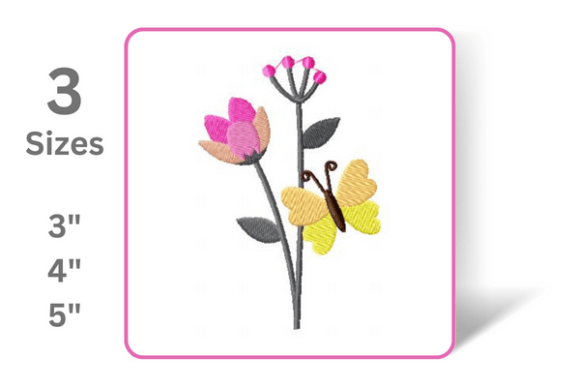
The Flower and Butterfly embroidery design immediately gives off a soft, elegant, and visually appealing vibe. It’s the kind of design that feels both timeless and fresh—perfect for a wide range of handmade products. As an experienced embroidery designer preparing for a weekend craft fair booth, I appreciate how it balances delicacy with charm. The title and description suggest a versatile machine embroidery design that can be applied to various fabrics and items, making it ideal for both personal use and commercial applications.Where This Design Shines at Your Booth
When selecting designs for your craft fair product lineup, visual impact is key. Flower and Butterfly works exceptionally well on several types of items:- Tote bag design: A large placement of this design adds a pop of color and elegance. Customers love tote bags with floral accents, especially when paired with neutral tones or earthy colors.
- Apron embroidery: The design looks great as a central motif on aprons, giving them a farmhouse or bohemian feel. Its softness complements traditional apron styles while still standing out.
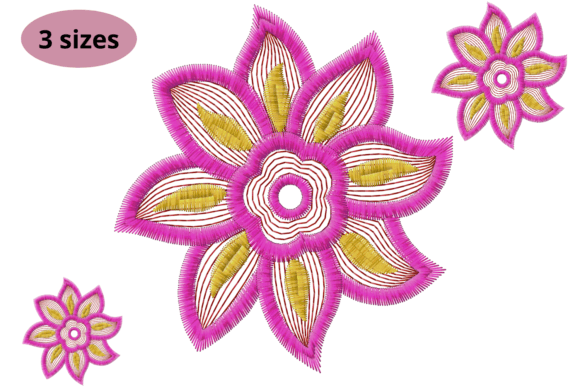
- Tea towel embroidery: For kitchen towels or tea towels, placing the design in the center creates a decorative focal point. The vibrant thread colors used in the flower make it stand out against lighter backgrounds.
- Embroidered patch: Smaller versions of this design are perfect for patches. They add a subtle yet charming touch to denim jackets, backpacks, or even custom hats.
- Pillow covers: The Flower and Butterfly design brings warmth and style to home decor items like pillow covers. It’s especially effective when using high-quality fabric and rich thread shades.
- Handmade gifts: Items like small fabric pouches, market bags, or embroidered caps can become unique gift options when enhanced with this design. It adds a touch of personality without being overwhelming.
- Etsy listings: When photographing the finished product, this design has excellent detail and depth, which translates beautifully into online visuals. Use natural lighting to highlight the texture and layers of the embroidery.
Design Versatility for Different Products
One of the strengths of the Single Flowers category is its adaptability. Flower and Butterfly is no exception. Whether you're creating a bold statement piece or something more subtle, this design offers flexibility:- On larger surfaces like tote bags or pillow covers, it can serve as the main attraction.
- On smaller items such as embroidered patches or caps, it becomes a refined accent that elevates the overall look.
- For tea towel embroidery, it adds a decorative flair that appeals to customers who enjoy functional yet stylish home goods.
Production Considerations for Small Shop Product Makers
Before finalizing any commercial embroidery project, there are practical elements to consider:Stabilizer choice is important here due to the design’s potentially dense stitch areas. A tear-away stabilizer may work for light fabrics, but for thicker or textured materials like linen or canvas, a cut-away option will ensure the design holds up during washing and handling.
The design also features delicate details in the butterfly wings and flower petals, so it's essential to check stitch density and spacing before going into production. If the design loses clarity at smaller sizes, consider scaling it appropriately for each item type.
If you're planning to create booth samples, test the design on different fabrics to see how it performs. You might find that cotton blends or quilting cotton give the best results in terms of visual appeal and durability.
Photography and Presentation Tips
As an Etsy seller or digital embroidery file provider, showcasing your design effectively is crucial. Here’s how Flower and Butterfly stands out visually:- It photographs well under natural light, capturing the dimensionality of the flowers and the flutter of the butterfly.
- Dark fabric can be used for contrast, but ensure the thread colors remain visible. Lighter pastels or neutrals often enhance the design’s soft aesthetic.
- Use printable mockups to show potential customers how the design will look on various items before they purchase the digital embroidery file.
Engagement and Brand Consistency
At a craft fair, customer engagement is driven by first impressions and perceived value. Flower and Butterfly encourages interaction because of its inviting nature and eye-catching detail. It’s not too playful, nor too formal—it strikes the right balance for many tastes.For boutique makers and creative entrepreneurs aiming to build brand consistency, this design fits well within a collection of nature-inspired or botanical-themed products. Its clean lines and organic shapes align with current trends in the handmade market, particularly among those who favor minimalist or rustic aesthetics.
Repeatable Design for Batch Production
- Check the hoop size required for the full design. While the exact hoop size isn’t provided, it’s wise to test it on scrap fabric before committing to bulk orders.
- Review the spacing between elements to ensure it doesn’t overcrowd when repeated or placed near other motifs.
- Confirm whether the design supports commercial licensing. If you're planning to sell finished products beyond a few handmade pieces, always verify the terms before moving forward.
Designer Notes for Real-World Success
Here are some practical tips from my experience as an embroidery designer working with similar design assets:- Test on scrap fabric: Try the design on different textures and weights to understand how it behaves. Some fabrics may stretch or react differently to stitching.
- Check thread contrast: Especially if you plan to embroider on dark or patterned fabrics, make sure the thread colors don’t blend in too much.
- Review spacing: Ensure the design doesn’t appear cramped or lose its shape when resized for different products.
- Confirm hoop size: This affects the stability of the fabric during stitching and the final appearance of the embroidery file.
- Inspect stitch density: Dense areas may require additional stabilizer or careful tension adjustments to avoid puckering.
- Use the right stabilizer: Choose based on fabric type and design complexity to prevent distortion or misshapen stitches.
- Create at least one real mockup: Even if you're selling the digital embroidery file, having a physical sample helps you assess quality and presentation.
- Compare fabric colors: Test the design on a few different color bases to determine which ones offer the best visibility and visual harmony.