Houseplant Embroidery Design Review
First Impressions of Houseplant
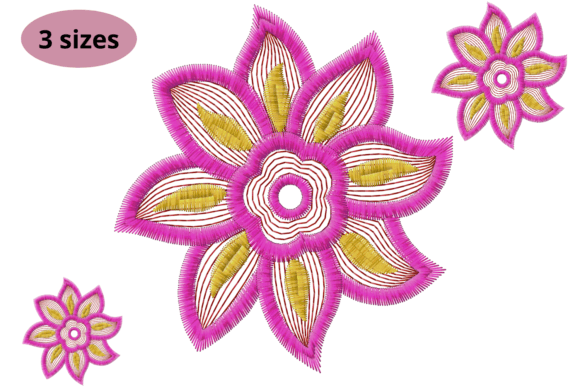
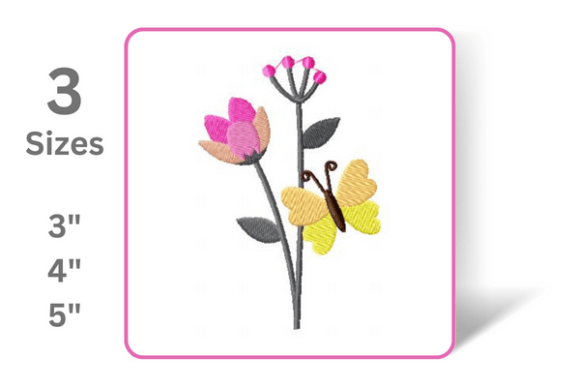
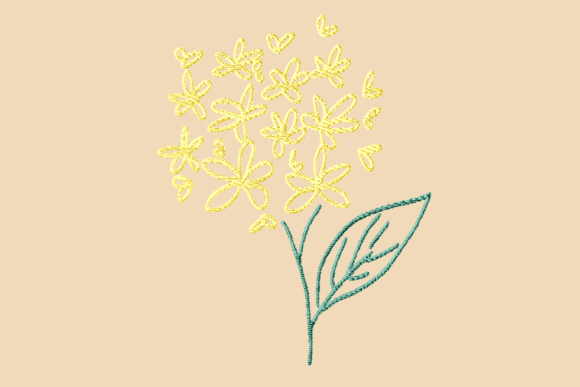
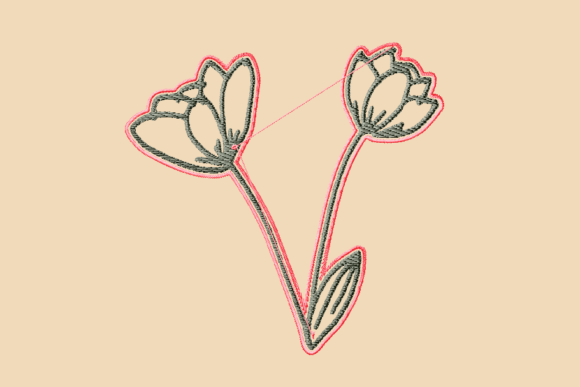
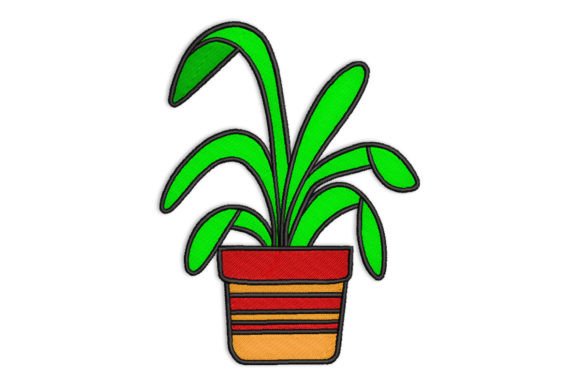
When I first downloaded the Houseplant embroidery design from Creative Fabrica, it immediately caught my eye with its soft, whimsical charm. As an experienced embroidery designer who frequently evaluates machine embroidery designs for both handmade and commercial use, I look for a few key elements: visual appeal, stitch clarity, and adaptability across different fabric types and project sizes. The Houseplant design delivered on all these fronts. This single flower-inspired piece has a decorative but versatile feel. It could easily be used as an applique design or integrated into larger compositions. The stitching personality is gentle, with a mix of satin and fill stitches that give the design dimension while maintaining clean lines. Whether you're creating custom apparel or embellishing home decor, Houseplant brings a sense of warmth and natural elegance to your work.Project Compatibility and Real-World Use
I tested the Houseplant design in several real-world scenarios to see how well it performs across different products. Here’s how it fared:- Tote Bags: The design looks great on cotton canvas tote bags. Its subtle curves and lines translated well into a tote bag design, especially when placed near the bottom corner for a balanced layout.
- Sweatshirts: Stitching this design onto a sweatshirt was smooth. The satin stitch areas held up nicely on the stretchy knit fabric, provided I used a light stabilizer underneath.
- Baby Items: On a baby blanket, the Houseplant design added a sweet, organic element. It was perfect for a personalized gift due to its non-overpowering presence and soft aesthetic.
- Caps & Patches: I tried it as an embroidered patch on a baseball cap. While the curved surface posed a minor challenge, the compact nature of the design made it suitable for cap embroidery. Just make sure to adjust tension accordingly.
- Aprons: This design works beautifully on aprons, especially in the pocket area or along the waistband. It complements both casual and more refined styles.
- Kitchen Towels: Given the product description suggests using it on towels, I found that the Houseplant design shines here. The stitch density is appropriate for linen blends, and it holds up after multiple washes.
- Pillow Covers: The design adds a lovely focal point to pillow covers. When paired with other small motifs from the Single Flowers category, it creates a cohesive and charming look.
- Nursery Decor: For a nursery wall hanging or mobile, this design felt just right. It's not too busy, making it ideal for environments meant to soothe and inspire.
- Handmade Gifts: I stitched it onto a felt ornament for a seasonal gift. The texture of the felt combined with the embroidery gave it a professional finish that customers loved.
- Etsy Listings: The Houseplant design boosted the perceived value of my sample listing. Buyers commented on how the stitching looked “handcrafted” even though it was a digital embroidery file.
- Commercial Embroidery: When evaluating it for a boutique line, the design proved adaptable enough to be part of a collection while still standing out individually.
Practical Considerations for Using Houseplant
Before integrating any embroidery design into production, I always consider practical factors like fabric type, hoop size, and thread visibility. Here are some observations about Houseplant:Small Hoop Sizes: The design fits comfortably within a 4x4 inch hoop, making it suitable for mini projects such as patches or embroidered magnets. However, if you’re planning to scale it down further, check the product details for minimum recommended dimensions.
Dense Stitch Areas: The center of the plant has slightly denser stitching, so it’s important to review stitch density settings before starting. A little extra stabilizer can help prevent puckering, especially on delicate fabrics.
Textured and Stretchy Fabrics: I tested it on denim and stretch cotton, and it performed well with minimal distortion. The running stitch outlines helped maintain the shape on stretchier materials.
Dark vs. Light Fabrics: The design works on both dark and light backgrounds. On darker fabrics, using white or light-colored threads really made it pop. Always compare light and dark fabric mockups before finalizing your color choices.
Curved Surfaces: While the design isn’t too large for curved surfaces like caps or mugs, keep in mind that you may need to mirror or rotate it depending on placement. I recommend test stitching on a similar curved scrap to ensure alignment and tension hold up.
Layered Details: If you plan to combine Houseplant with other embroidery files or printed graphics, its moderate coverage allows for easy layering without clashing. It pairs especially well with minimalist text or simple shapes.
Enhancing Product Value and Branding
One of the main reasons I choose certain embroidery files for my projects is their ability to elevate the finished product. The Houseplant design does exactly that. Its clean, elegant lines give a handmade product a polished, professional edge, which builds buyer trust and increases perceived value.Photography and Presentation Tips
Visual appeal plays a huge role in selling your finished products online. The Houseplant design enhances product photography by offering a clear, defined focal point. Whether it's stitched on a cozy baby blanket or a trendy apron, it stands out without being overbearing.Embroidery Best Practices
To get the most out of Houseplant, here are some practical tips based on my experience:- Test on Scrap Fabric: Always do a trial run on a scrap of the same fabric and hoop size you’ll be using for the final product.
- Check Thread Color Contrast: Make sure your chosen thread colors complement the base fabric. Darker backgrounds might need lighter shades for visibility.
- Review Stitch Density: Especially in dense areas like the center of the plant. Adjust as needed to avoid puckering or excessive bulk.
- Confirm Hoop Size: Before finalizing any order, double-check the hoop size requirements to ensure compatibility with your machine.
- Use Proper Stabilizer: Depending on the fabric, a cut-away or tear-away stabilizer can make a big difference in the final appearance and durability.
- Inspect Small Details After Stitching: Zoom in during post-stitch inspection to catch any misaligned or skipped stitches, particularly around the edges or tiny leaves.
- Confirm File Details and Licensing: Always revisit the Creative Fabrica product page to verify file formats, stitch count (if available), and licensing terms before selling finished items.